



|
Getting your Trinity Audio player ready...
|
Bernard Gyimah Antwi (Rev), PRO

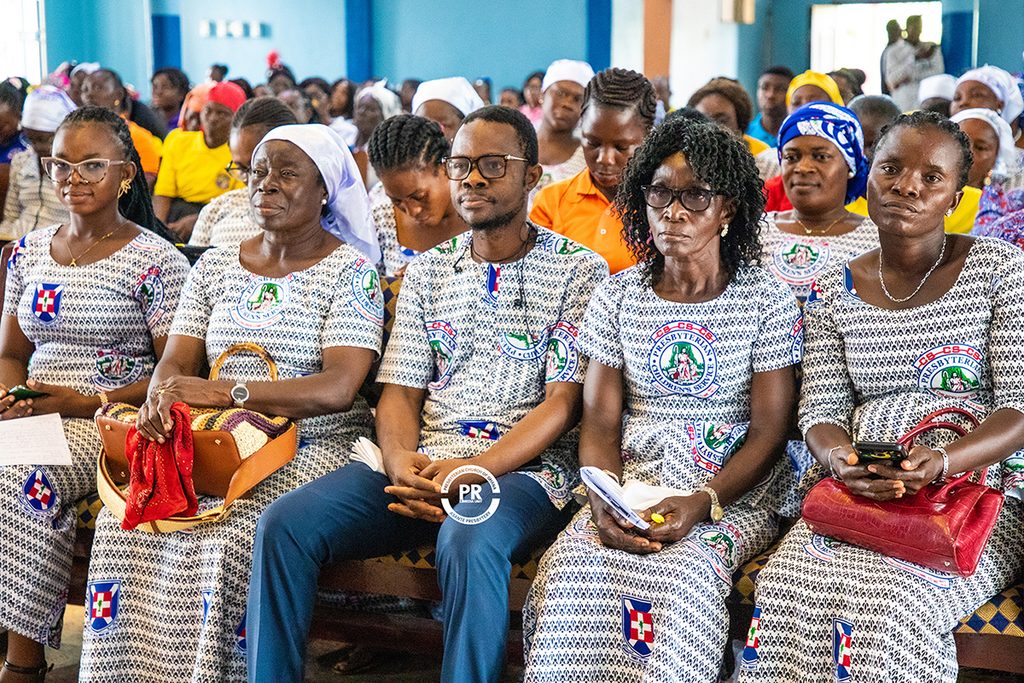
The Children’s Ministry of the Presbyterian Church of Ghana (PCG) remains a significant contributor to the overall membership of the Church. According to the Information, Statistics and Planning (ISP) Report, the Ministry contributed 29,962 members out of the Church’s total membership of 100,325 in 2025, representing approximately 29.86 per cent—nearly one-third of the total membership.
This figure underscores a fundamental truth: children are not merely the future of the Church; they are an integral part of the Church today. Although their full potential in leadership, service and other aspects of the Church’s life and mission may take time to mature, their presence and numerical significance cannot be overlooked, particularly as the Church pursues its Agenda 2 Million membership target.
The critical question, therefore, is: How well are children and their teachers treated in our congregations?
Speaking over the weekend, the President of the Asante Presbytery Children Service Teachers Fellowship, Ms. Patience Osei Effah, expressed concern about what she described as the unfair treatment and neglect of the Children’s Ministry in some congregations. She attributed this situation, in part, to what she termed the “no money” syndrome—an attitude that appears to relegate the ministry’s needs whenever financial commitments arise.
The concern is further underscored by the low turnout at the Fellowship’s annual conference. Out of more than 1,500 Children Service teachers in the Presbytery, fewer than 200 attended the conference. Although several factors may account for the poor participation, the situation raises questions about the level of institutional support, encouragement and investment available to these teachers.

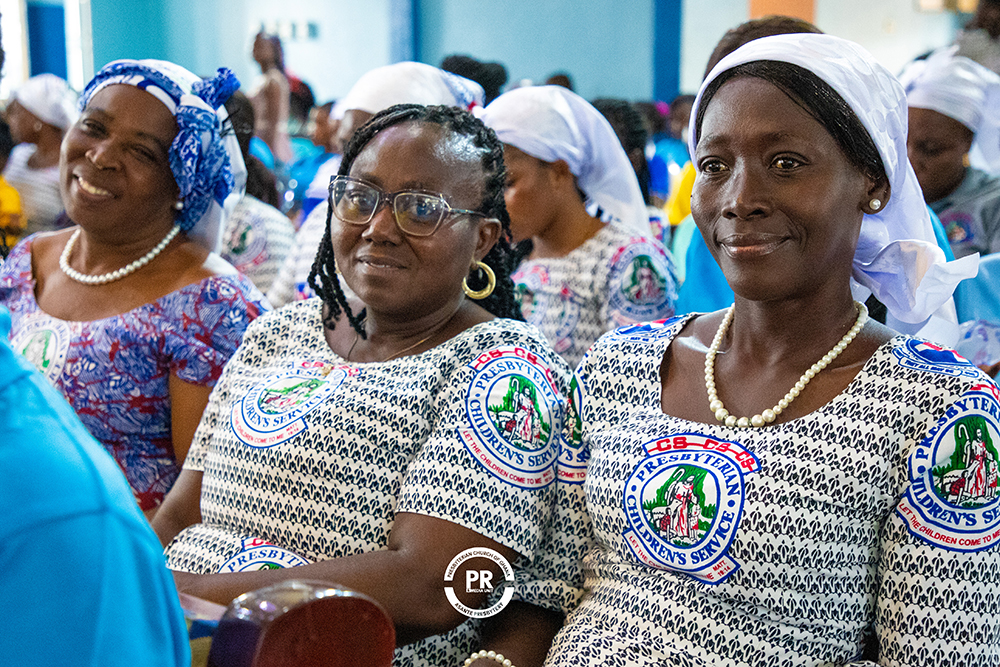
Inadequate funding and limited investment in Children Service teachers—a critical stakeholder group in the Church’s growth and discipleship process—threaten the quality and sustainability of the ministry. Over the years, declining sponsorship for the training and retraining of teachers has contributed to a situation in which many handle the spiritual formation of children without adequate professional or theological preparation. In some congregations, the availability of appropriate teaching and learning resources also remains a challenge.
This situation demands urgent attention. Children Service teachers are entrusted with nurturing young minds, shaping moral values and laying sound theological foundations. They must, therefore, be adequately trained, equipped and supported to discharge this responsibility effectively. The Church cannot expect children to grow into spiritually mature, morally grounded and committed Christians if those responsible for their formation lack the necessary preparation and resources.

Neglecting the Children’s Ministry today risks weakening the very foundation upon which the Church’s future growth depends. Sessions, Agents and Presbyters must recognise that growth at the top cannot be sustained by neglecting the base. It is contradictory to pursue numerical expansion while failing to adequately nurture the children who already constitute a substantial proportion of the Church’s membership.
With deliberate investment in teacher training, teaching resources and the general welfare of the Children’s Ministry, the PCG can strengthen its discipleship structures and make meaningful progress towards achieving Agenda 2 Million. Such investment should not be regarded as an optional expenditure or a burden on congregational finances, but as a strategic commitment to the Church’s future.
The Children Service teacher must not be overlooked in the Church’s growth and nurturing agenda. Supporting the teacher is supporting the child; nurturing the child is strengthening the Church.
The foundation must be strengthened if the Church expects a harvest that will endure.
Bernard Gyimah Antwi (Rev), PRO